Between hosting the Rugby World Cup and the 2020 Olympics, Japan is currently one of the hottest tourism destinations in the market, and it’s no wonder as to why. Japan has everything one could possibly want from a country: ancient and beautiful scenery, cheap yet amazing food, great nightlife, onsen, shopping, etc. There’s a ton on offer for everyone, so there’s no way you’re going to be bored there. I was fortunate enough to go not once — but twice — in 2019, and I still feel as though I barely scratched the surface of what’s over there in the land of the rising sun.
I flew from NYC to Narita Airport. On the first trip, I travelled Jet Blue to get to LAX, then from LAX I transferred to Singapore Airline. On the second trip, I opted to go with Air Canada from Newark to Narita, which had a layover in Montreal. The prices for both were about the same, however Air Canada can get significantly cheaper (as low as $500 per person!). The comfort level was evenly matched, in-flight entertainment about the same. The flight should not be underestimated though– it is daunting, and the jet lag is brutal, so get those sleeping pills ready. Or maybe just splurge for premium economy.
Tokyo was like a dream come true. It’s a cliché, but I had always wanted to go there as a kid, and it did not disappoint for a first time international trip. The whole place was mind-blowing, and it was such an out of body experience being part of the majority instead of the minority for once (as an Asian American). It felt as though I blended right in the crowds, and being able to get away with not looking like a total tourist helped grant me some anonymity.


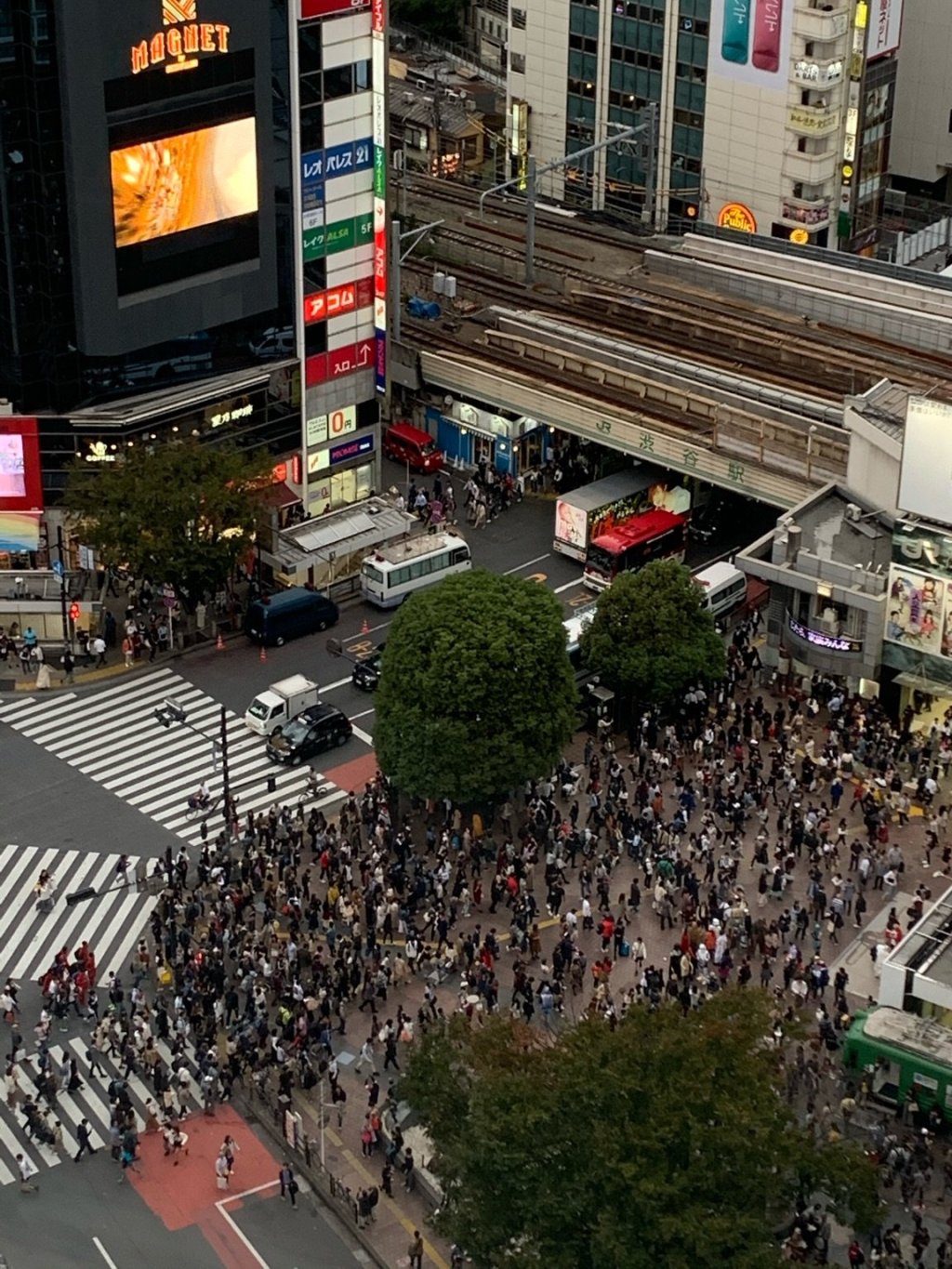
Shibuya was the ideal location to be situated in — it felt like time square on steroids, but somehow cleaner and safer. Close to everything. The airport offered busses that go directly to the hotel I stayed in, which was the five-star Cerulean Tower. A very nice modern hotel. Shibuya is also home to the Tokyu Excel, a more affordable four-star hotel which is literally right between the subway station, and has an amazing view of the famous, aptly named, Scramble Crossing. However, something to consider is an air b&b – for the more budget conscious.
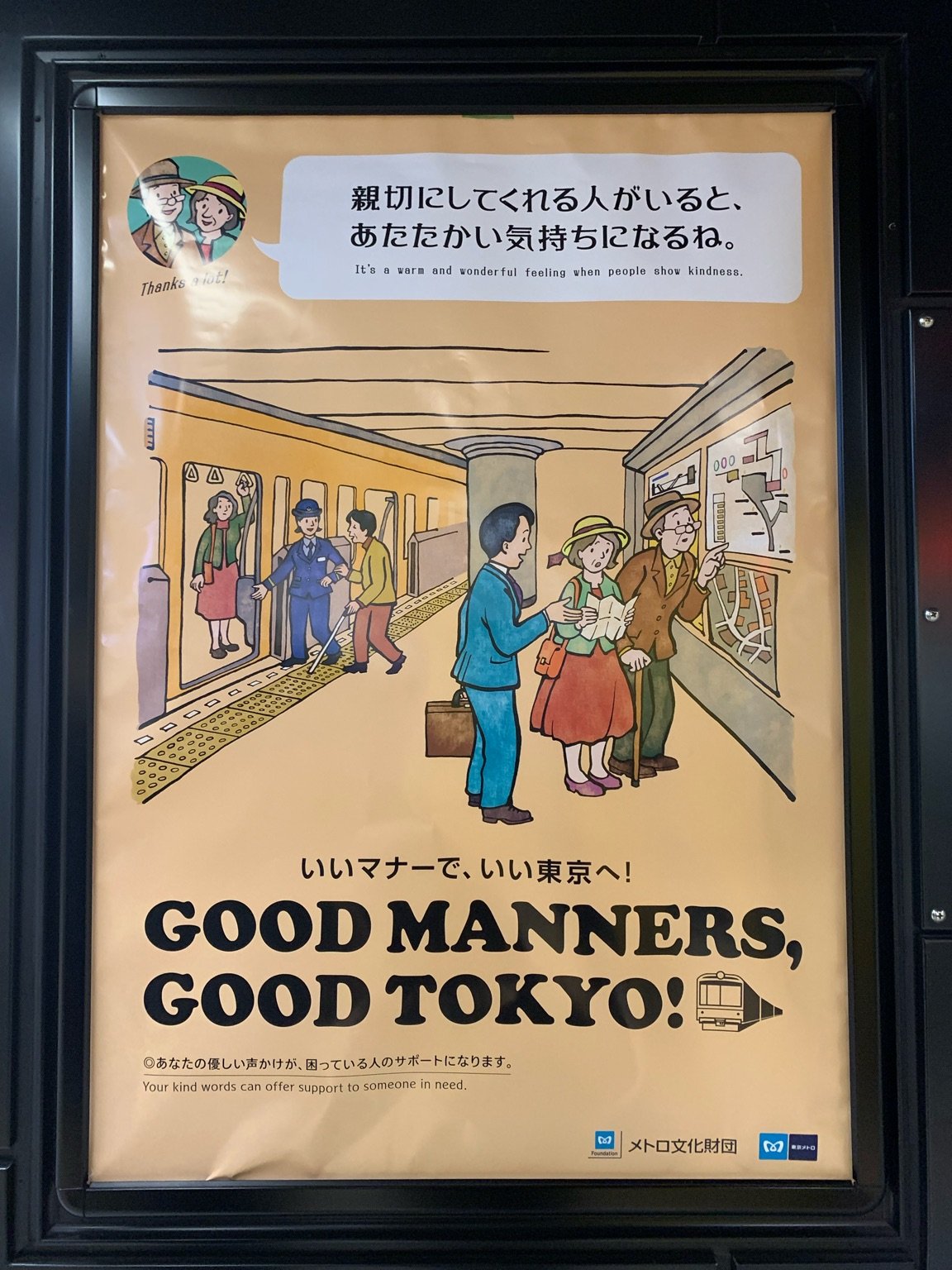
Coming from NYC, the subway system in Tokyo was fairly easy to figure out as most lines are color-coordinated, there are various signs in English, and each subway stop has its own cute little theme song for the tired commuter. It is easy to pick up a IC or Suica card for transportation use, or you can even use your phone for that now; but keep in mind you have to pay as you go in AND out of the subway. If you purchase a JR Pass to travel anywhere else in the country (like Kyoto or Osaka), you can show it at the appropriate JR Lines and pass without having to use the IC or Suica Card ( don’t try to use it after it’s been expired — they’ll know without looking twice ). Another important tip to note is that these cards can also be used in convenience stores and vending machines.

The touristy things are touristy because they’re fun. Have no shame in doing them.
Studio Ghibli is a treat for the Miyazaki fan (book early), and the surrounding Inokashira Park is beautiful in Cherry Blossom season. Asakusa is home to Sensoji Temple, which can be quite overcrowded, but is really worth the visit. In Harajuku, you have Yoyogi Park for a great people watching experience, and also the Meji Shrine in walking distance which is honestly breath-taking to see. Odaiba is home to teamLab, which has the borderless or planet museum – an interactive experience you won’t forget. Especially if you do them the day you arrive – it’s a bit like being on jetlagged induced ecstasy.
Akihabara and Nakano Broadway were like a giant comic con – sweaty nerds and all. Nakano Broadway offered better pricing than Akihabara, and is a better place to visit overall for a collector. Mandarake is not to be missed (a collectors haven: old school toys, books, comics, and more). Ginza is perfect for the high end shopper. Omotesando is another big shopping district, which was home to the Saint Patrick’s Day Parade. Of course, how could one leave out Shinjuku – the heart of Tokyo’s nightlife? Shinjuku is where to go to get your drink on — especially if you’re gay.
2020 is a great year to visit Japan. Not just for the Olympics, but also if you’re a Nintendo fan as Tokyo just opened its first Nintendo Store in Shibuya (next to a brand new Pokemon Center). There is also a Super Mario theme Park heading to Tokyo this year as well. My biggest gripe with Tokyo was the smoking culture, but it looks like 2020 is putting a smoking ban into effect that should limit where you experience it. For tourism sake, of course, but I can’t deny it’s appreciated.


Good food is everywhere in Tokyo. I don’t think I ever had a bad meal. A convenience store is a great place for a budget friendly breakfast, lunch or snack – my favorite being Lawson’s and their fried chicken. There are various food courts you can find with really good and affordable food. I can’t deny that I ate my fill in Ramen, though, it was mostly my diet in Tokyo. One of my favorite parts of Tokyo was the food courts in subway stations – it was honestly stunning to see how well presented they were compared to what we have in NYC.
Something to keep in mind is that in Tokyo, CASH is KING. You want to try street food? You better have some cash on hand. You want to eat in a local establishment? Again, you will better have cash. I experienced my first bit of culture shock at a local establishment in Meguro (Tonkatsu Tonki, highly reccomend). You told the chef what you wanted, waited to be seated, and had to pay in cash. I’ll admit I freaked out because I wasn’t sure I had enough, but it was fine, and that prepared me for later dining experiences. Also, a lot of local establishments are quite tiny, and they did allow for in-door smoking which can be distracting. Additionally, In Japan, you do not have to worry about tipping. In fact, staff will probably try to return the money to you. It is not like the USA where waiters rely on the generosity of strangers to make a living.
Onsens are a good way to shake off the terrible jet lag. A few I can recommend personally are Thermae-Yu in Shinjuku, Oedo Onsen Monogatariin in Odaiba, and Spa World in Osaka. They are not “traditional” onsen, more like spa theme parks, but they’re still a pretty relaxing experience to be had. Who doesn’t like a good soak? In a Japanese onsen, you are required to take off your shoes first, before you enter the establishment. You put them in a locker which is separate from the one that will hold your other belongings. In these lockers you may also have to insert a 100 cent yen coin to open them (depending on the establishment). It’s a bit confusing. You also pay after you leave the establishment, not when you enter. Most Americans are probably aware by now, but there is still some resentment to tattoos and you may be asked to leave if you have any. Consider treating yourself to a Japanese onsen experience if you’ve never been to one before.


Kyoto and Osaka are fantastic places to make an additional trip to for first timers to Japan. Kyoto is very different from Tokyo. It is more historical, more traditional. You can get a real sense of old Japan. There are a ton of breathtaking sights to see, and you should give yourself plenty of time to appreciate it all. Fushimi Inari is a popular tourist site that is best seen either early in the morning, or late at night, so that you can miss most of the crowds. Kiyomizu-dera is a historic temple also best seen early in the morning, and you’ll get a real chill going to the top. Arashiyama is home to the bamboo forest and the famous monkey park. There’s so much more to list, you’ll want to make a whole visit just for Kyoto. However, do be respectful…tourists are getting a bit of a bad rep in Kyoto, and it’s not just the Chinese ones.


Osaka gets a bad rep, it’s not like either Kyoto or Tokyo, however I really enjoyed it. It felt like NYC. The people in Osaka seemed more open to talking to foreigners, a bit more outgoing also. Osaka is a foodie haven, full of fantastic food courts like the Kuromon Market and a bustling nightlife.
A trip to Japan can sound quite daunting to some, but the experience is once in a lifetime. You will do a ton of walking, a ton of exploring, eat a ton of great food. Japan is probably no more crowded than any other tourist place you’ve been to. So get over your fears of traveling there and just do it (hopefully, for at least two weeks). Maybe you’ll be like me, and love it so much you’ll book a return trip as soon as you get back home.
Some tips for your trip to Tokyo:
- ATM’s to withdraw cash from are in every convenience store, and they are perfectly safe to use. You can only withdraw at minimum 10, 000 YEN in some, but don’t be afraid to break that at a convenience store. Staff do not mind.
- Cash only: public attractions, restaurants, small businesses, street vendors, vending machines
- In Kyoto, apps like google maps was not always accurate.
- On a bus, you enter from the back side and go to the front to pay.
- People in Japan are really kind. Don’t be afraid to engage locals for help. I had an issue with not being able to pass a turnstile and a local man from Osaka took the time out of his day to translate the issue to the attendant. I lost my wallet which had my passport and money in it in Osaka and found it at the front desk of my hotel.
- Ramen joints may require you to pay by vending machine, and these are also cash only.
- Stand left on the escalators, walk on the right.
 token asian